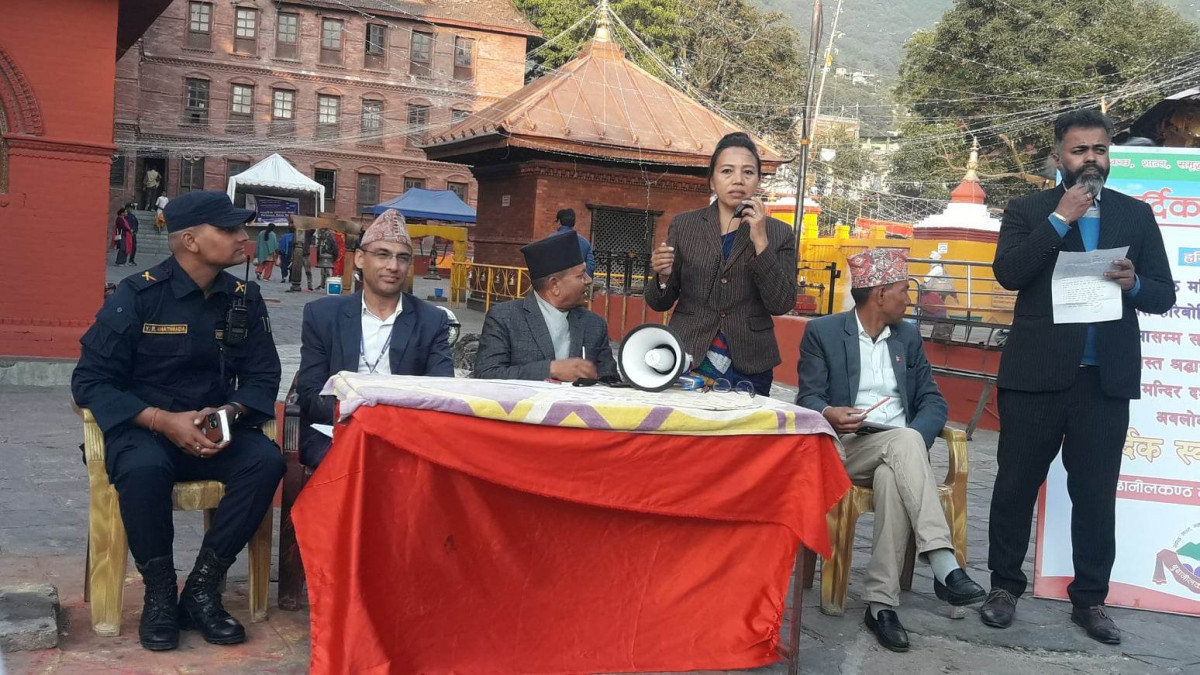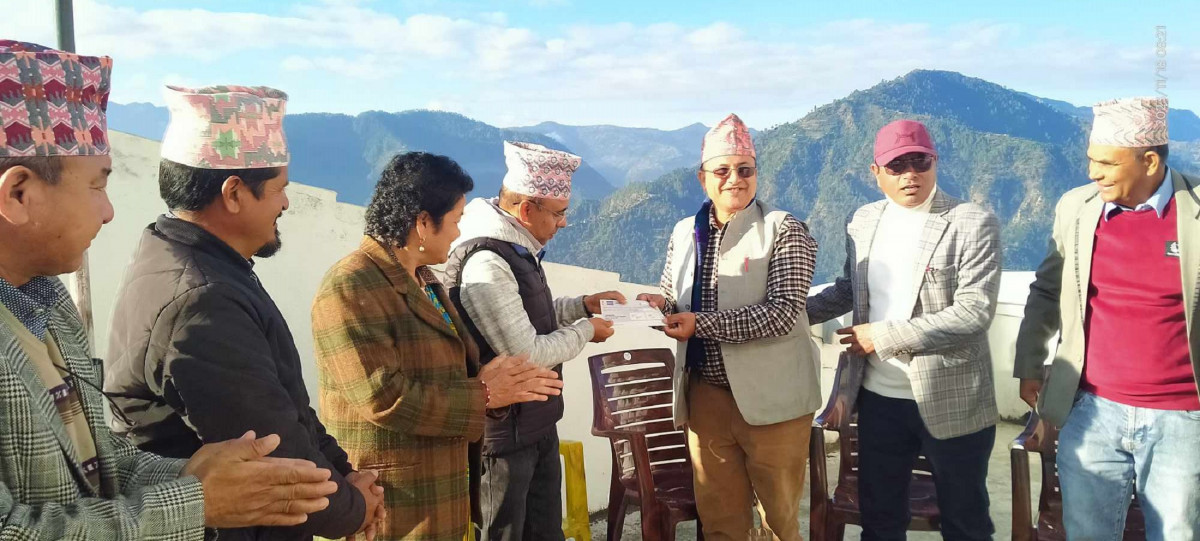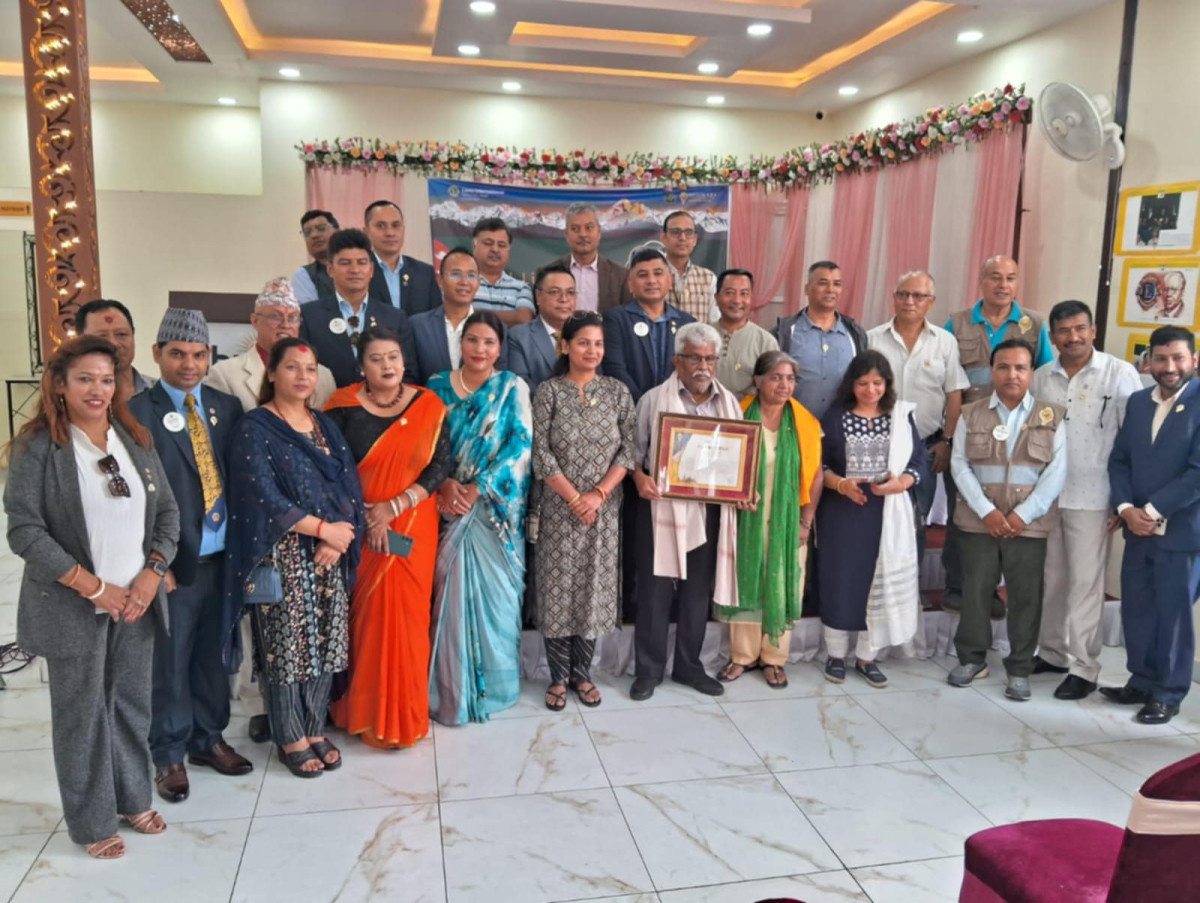
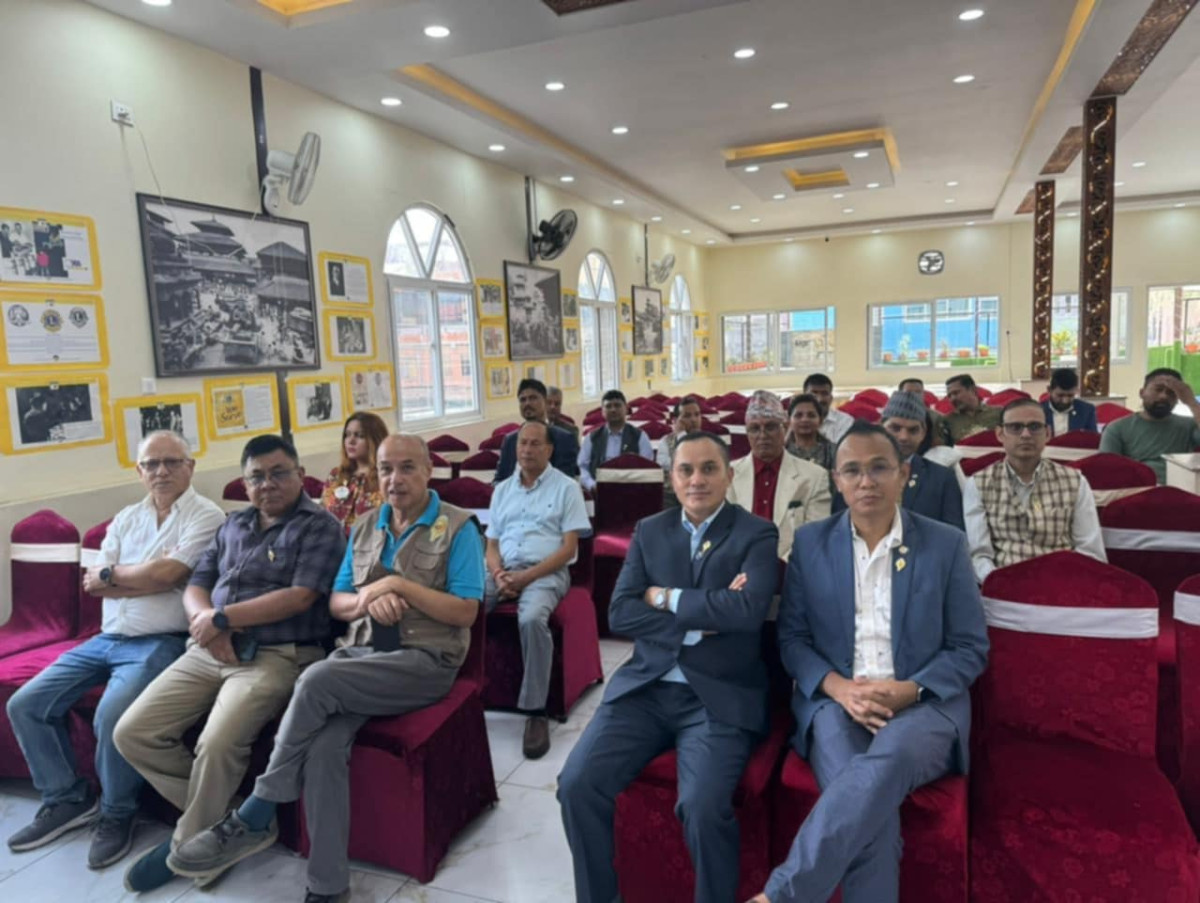
Today, August 9, marks a significant milestone in the history of Lionism in Nepal, commemorating the day when Lions Clubs International officially took root in the country. This year, the occasion was celebrated with great enthusiasm at the Nhuja Party Place in Baghbazar, where members of Lions International District 325L Nepal gathered this morning at 7:45 AM.
The air was filled with camaraderie and joy as lion leaders, both seasoned and new, exchanged heartfelt greetings, reinforcing the bonds of friendship and service that underpin the Lions movement. District Governor MJF Lion Suman Bhatta took the opportunity to reflect on the rich history of Lions Clubs International in Nepal, highlighting the tremendous impact that the organization has had in empowering communities through service projects and initiatives aimed at improving the lives of those in need. His speech resonated with the audience, reminding them of the core values of Lionism: commitment, compassion, and community service.
As members reminisced about past accomplishments and discussed future endeavors, it was evident that the spirit of Lionism continues to thrive in Nepal, inspiring all those present to uphold the organization's legacy and work tirelessly in service of humanity. The celebration not only honored the journey of Lions Clubs in Nepal but also served as a rallying point for members to reaffirm their dedication to making a meaningful difference in their communities and beyond.
Lions Clubs International has a deeply rooted and impactful history in Nepal, commencing in 1971 with the establishment of the first Lions Club in the country by former Prime Minister Lion Matrika Prasad Koirala, aptly named the Lions Club of Biratnagar. This initial formation marked the beginning of a significant humanitarian movement, as Koirala envisioned a collaborative effort to address social needs and uplift communities through service-oriented initiatives.
Over the years, this singular club became a catalyst for growth, inspiring like-minded individuals in various regions of Nepal to form their own chapters, and thus, the network of Lions clubs began to flourish across the country. Today, Lions clubs are present in numerous cities and towns, engaging in a multitude of projects that focus on vision care, health awareness, education, and disaster relief, among others. The Lions’ commitment to community service has facilitated transformative changes in the lives of many, promoting a culture of philanthropy and active citizenship.
Their involvement has also been instrumental in mobilizing resources and providing support during crises, such as natural disasters, thereby reinforcing the spirit of solidarity among Nepali citizens. As the organization continues to expand its reach and influence, it not only reflects the generosity and resilience of the Nepalese people but also highlights the power of international cooperation in addressing local challenges. The legacy of Lion Matrika Prasad Koirala, along with the collective efforts of dedicated Lions members, has undoubtedly established a strong foundation for social change in Nepal, further solidifying the Lions Clubs International as a beacon of hope and progress in the region.
As the number of Lions Clubs steadily increased in Nepal, Lions International recognized the imperative need for a more structured organizational framework and dedicated support to sustain and enhance their presence in the region. This awareness catalyzed the establishment of Multiple District 325, a pivotal moment that not only reflected the significant growth of Lions Clubs in Nepal but also underscored their evolving role in addressing community needs and fostering collaborative service initiatives.
Over the years, as more clubs were chartered, the district experienced several strategic divisions to effectively accommodate this burgeoning network, ultimately culminating in the formation of four distinct districts: A1, A2, B1, and B2. This transformation not only signified the vibrant expansion of the Lions Clubs but also illustrated a commitment to better manage the resources and initiatives that were becoming increasingly critical in serving various communities throughout the country. By the year 2020, the landscape of Lions Clubs in Nepal had dramatically evolved.
This unprecedented growth prompted a comprehensive redistricting process, leading to the establishment of 15 unique districts that could more effectively cater to the local needs and aspirations of diverse populations. This expansion and reorganization were emblematic of the unwavering dedication of Lions International to community service and the continuous effort to empower individuals and groups across Nepal to make a tangible difference in their lives.
Each new district represented not merely a geographical division but also a renewed commitment to fostering local leadership, enhancing fellowship among members, and amplifying the impact of service projects that address health, education, and social welfare challenges. As these developments unfolded, it became increasingly clear that Lions Clubs were not just growing in number; they were maturing into vital conduits for social change and community enrichment in Nepal, standing as a testament to the resilience and determination of their members to uplift and serve the needs of their fellow citizens.
The Mission and Vision of Lions Clubs in Nepal: Empowering Communities through Service :
In the heart of the serene yet diverse landscape of Nepal, the Lions Clubs International (LCI) stands as a beacon of hope, community service, and social welfare. The mission and vision of Lions Clubs in Nepal concentrate on the development and empowerment of marginalized segments of society through collaborative efforts that bridge local needs with global support. The guiding principles of LCI align seamlessly with the key challenges faced by Nepalese communities, providing a structured approach to assisting those in need.
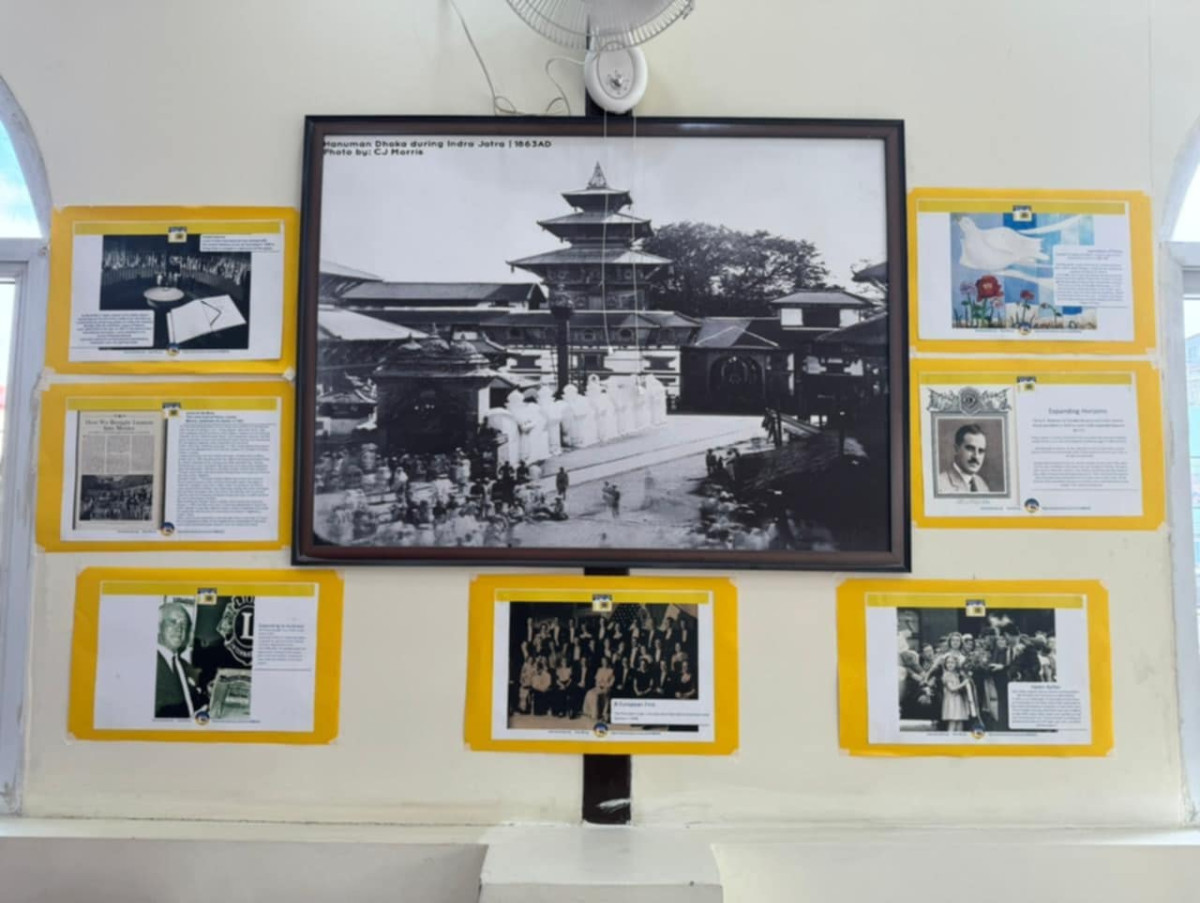
Mission and Vision
At the core of Lions Clubs in Nepal is a commitment to creating a positive impact through community service. The mission revolves around helping individuals and communities meet their basic needs while promoting self-sufficiency and dignity. Their vision is illuminated by a world where everyone has the opportunity to thrive, irrespective of socioeconomic status.
Lions Clubs members, known as Lions, embody the spirit of volunteerism and personal responsibility. They work tirelessly to address pressing issues such as poverty, healthcare, education, and environmental conservation, thereby ensuring a brighter future for all.
Community Service and Social Welfare:
Community service is integral to the ethos of Lions Clubs in Nepal. Local clubs are deeply rooted in their communities, and their projects are often a direct result of the needs they observe. Initiatives range from education programs for underprivileged children to organizing sanitation drives in rural areas. The organizations focus on fostering development by involving community members in problem-solving, creating a sense of ownership and responsibility towards their surroundings.
In addition, social welfare programs tailored to the specific needs of vulnerable populations, including women, children, and the elderly, ensure that no one is left behind. By addressing these societal gaps, Lions Clubs help to uplift communities in a sustainable and impactful manner.
Partnering for Development:
The Lions Clubs do not operate in isolation; they actively seek partnerships with local governments, NGOs, and international organizations to maximize their outreach and effectiveness. This collaborative approach enhances resource mobilization and creates synergies that amplify the positive change within communities.
By partnering with established institutions and leveraging collective expertise, Lions Clubs are able to implement more comprehensive programs, share best practices, and drive sustainable development initiatives forward. These partnerships also enable the mobilization of essential resources, resulting in a more significant impact on the communities they serve.
Emergency Relief and Humanitarian Aid:
Nepal's geographic diversity makes it prone to natural disasters such as earthquakes, floods, and landslides. Lions Clubs in Nepal have consistently positioned themselves at the forefront of emergency relief efforts, rapidly responding to crises with humanitarian aid. Their ability to mobilize local chapters and swiftly deploy resources exemplifies the organization's commitment to serving communities in distress.
Lions not only provide immediate relief—such as food, water, and shelter—but also engage in long-term rehabilitation efforts. These initiatives include rebuilding infrastructure, restoring livelihoods, and promoting resilience among affected populations, ensuring that communities can recover and emerge stronger from adversity.
Healthcare Initiatives:
A vital aspect of Lions Clubs' mission in Nepal involves healthcare initiatives aimed at improving access to essential medical services. The clubs organize regular health camps, eye clinics, and awareness programs on various health issues, such as hygiene, maternal health, and non-communicable diseases.
Additionally, collaboration with healthcare professionals and organizations enhances the capacity of Lions Clubs to address public health challenges effectively. By promoting preventive care and wellness, Lions significantly contribute to enhancing the overall health and wellbeing of communities.
Philanthropy and Resource Mobilization:
Philanthropic efforts are vital for sustaining the initiatives undertaken by Lions Clubs in Nepal. Members actively engage in fundraising activities, awareness campaigns, and collaborative projects to gather resources. The support from local businesses, civic leaders, and individuals who resonate with the Lions' mission further strengthens their capabilities.
Resource mobilization is not merely about financial contributions; it also includes in-kind donations, volunteer support, and knowledge-sharing. The emphasis on creating a culture of giving and involvement fosters goodwill and community spirit, laying a solid foundation for future initiatives.
Empowering Needy Individuals:
At the crux of Lions Clubs' initiatives is the empowerment of needy individuals and families. By providing training, vocational opportunities, and advocating for social justice, Lions work to uplift individuals from poverty and persuade them to realize their potential.
The skills development programs focus on leadership, entrepreneurship, and self-reliance, enabling community members to break the cycle of poverty. By equipping individuals with the tools necessary for their growth, Lions Clubs help create a ripple effect of change that extends across families and entire communities.
On this momentous occasion, we extend heartfelt congratulations to all esteemed Lion Leaders in Nepal as we celebrate Lions Day and mark the 54th anniversary of Lions Clubs International’s establishment in the nation. This day not only serves as a tribute to the incredible work carried out by Lions Clubs but also as a reminder of the core values of service, unity, and dedication that have guided this noble organization since its inception.
A Legacy of Service:
Since its establishment in Nepal, Lions Clubs have played a pivotal role in addressing pressing social issues, from health care and education to environmental conservation and community development. The dedication of Lion Leaders and their members has been instrumental in transforming countless lives, reaching out to marginalized communities, and making significant strides toward a better society. Through various service projects, Lions Clubs have emphasized their commitment to improving the quality of life for all Nepalese citizens.
The Impact of Lions Clubs:
Over the past 54 years, Lions Clubs in Nepal have initiated numerous projects that cater to different aspects of community welfare. Initiatives in eye care, health education, disaster relief, and youth empowerment are just a few examples of how Lions have created a positive impact. The organization’s emphasis on “We Serve” has inspired countless volunteers to come together in unity, demonstrating that collective efforts can bring about meaningful change.
Honoring Lion Leaders:
Today, as we celebrate Lions Day, it is crucial to acknowledge the remarkable contributions of our Lion Leaders. Their unwavering commitment and visionary leadership have not only propelled the organization forward but have also fostered a spirit of collaboration among different communities. Through their guidance, Lions Clubs have built strong networks that extend beyond geographical boundaries, uniting people from diverse backgrounds towards a common goal—serving humanity.
Looking Ahead:
As we reflect on the past 54 years, it is vital to look ahead to the future of Lions Clubs in Nepal. The challenges facing our communities are ever-evolving, and the need for compassionate leaders is more critical than ever. The legacy of service that has been established by Lions will continue, fueled by fresh ideas and youth involvement, ensuring that the spirit of giving remains vibrant.
In this regard, the upcoming years should be seen as an opportunity to adapt, innovate, and expand our reach. By harnessing the power of technology and building partnerships with other organizations, Lions Clubs can amplify their impact and create sustainable solutions for the challenges that lie ahead.
On this Lions Day, as we commemorate the 54th year of Lions Clubs in Nepal, let us celebrate the accomplishments of all Lion Leaders and members. Your tireless efforts embody the essence of service and community spirit that Lions uphold. Congratulations to everyone involved in this journey, and may we continue to strive for a brighter, healthier, and more united Nepal. Together, let us make a lasting difference and uphold the values that bind us as Lions—compassion, integrity, and service to humanity.
EC L Ajit Kumar Bhattarai